Pack Building
Building a 48V Lithium Battery Pack for an Electric Scooter in India: Strip and Layout Guide
Electric scooters and e-bikes are the biggest battery pack market in India, and most use 48 V lithium-ion packs. If you are designing or repairing one, the pack maths and the strip layout decide how cool and how long it will run. This guide walks through both.
Pack maths: what 13S means
A lithium-ion cell is about 3.6 V nominal and 4.2 V fully charged. Thirteen cells in series (13S) give about 46.8 V nominal and 54.6 V full, which is the usual "48 V" pack. The number after S is how many cells sit in series; the number with P is how many sit in parallel. A 13S6P pack of 21700 cells has 78 cells. If each cell is 4.5 Ah, the pack is 27 Ah, or roughly 1.26 kWh (13 x 3.6 V x 27 Ah). Treat this as an illustration, since your cell and range target will differ.
Two kinds of connection, two different jobs
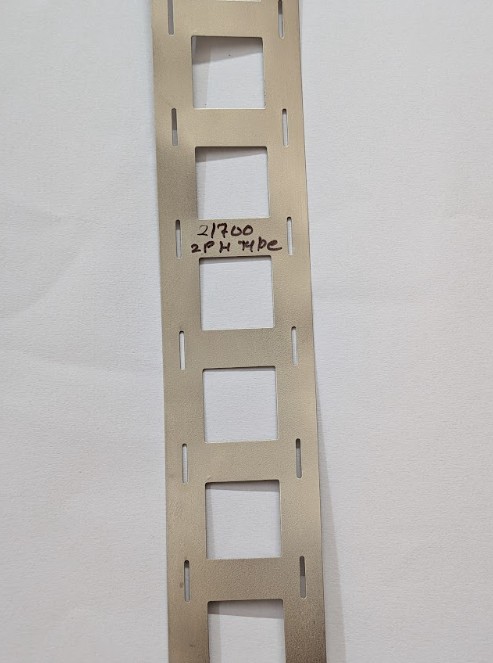
- Parallel groups. The cells in one P-group share the current. A 2P strip joins two cells at a time and speeds up assembly.
- Series links. These carry the whole pack current. At a 40 A controller limit, every series link carries up to 40 A, so it needs far more cross-section than a cell-to-cell strip.
Choosing strip for each job
Inside a P-group, the current splits across cells. With 6 cells in parallel at 40 A, each cell carries about 6.7 A, which should sit within the cell's continuous rating. The series links are the weak point. Options:
- Use a wide, thick strip such as 10 x 0.30 mm.
- Use two or more strips in parallel across each series link.
- Move the main current path to copper busbar where the layout allows.
Not sure of the numbers? Use our strip sizing calculation guide. For hot Indian summers and heavy hill climbing, pure nickel gives more thermal headroom than plated; see the pure nickel guide.
Do not skip these
- A BMS rated above your peak current with proper balancing and temperature sensing.
- A fuse or breaker in the main path.
- Cell holders or spacers so cells cannot touch or move.
- Matched cells from one batch and the same grade.
- A thermal test at full load before sale or use.
If you manufacture packs for sale, India's norms for electric two-wheelers (such as AIS-156) and your type-approval requirements apply to the complete pack. A good strip choice helps, but it does not replace testing.
General guidance only. Validate strip size, welding settings and pack safety against your own design and the standards that apply to your product.
Strips used in 13S 18650 and 21700 packs
Live stock and price from our store. Tap a product to add it to your quote.
Loading products…
Frequently asked questions
How many cells do I need for a 48V pack?
A 13S Li-ion pack needs 13 cells in series for about 48 V. Multiply by the parallel count for capacity. For example, 13S6P needs 78 cells.
What strip joins the cells in a parallel group?
Most builders use a 2P pre-cut strip or a plain strip across the group. Pick a width that matches your cell spacing and weld pattern.
Why do series links need thicker strip?
Series links carry the full pack current, while each parallel cell carries only a share of it.
Is 48 V LFP different from 48 V Li-ion?
Yes. LFP packs usually use 16 cells in series (about 51.2 V), against 13 for Li-ion. Chargers, BMS and cut-off voltages are different.
Can I use plated strip for an e-scooter?
For low-current builds, often yes. For heavy-current or hot-climate scooters we recommend pure nickel or parallel strips. Send us your pack current and we will suggest a size.
More from the Arambhika blog

LFP Battery Packs for Solar and Home Inverters in India: Strip and Busbar Choices
Read blog →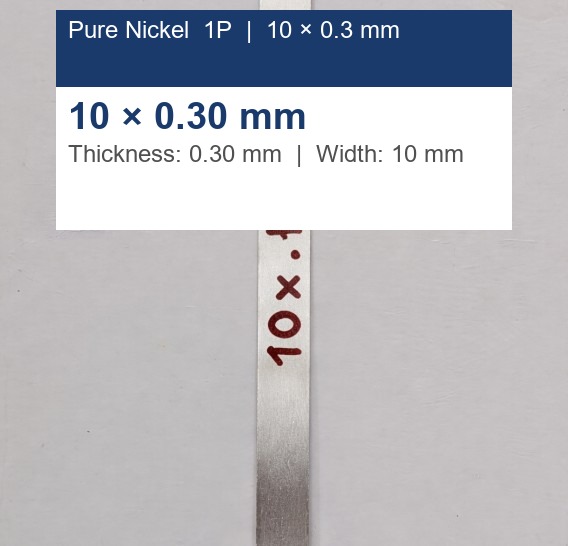
How to Calculate Nickel Strip Size for Your Battery Pack Current (With Worked Examples)
Read blog →