How-to
How to Spot-Weld Nickel Strip on 18650 and 21700 Cells: A Practical Guide
A battery pack is only as good as its welds. A weak weld becomes a hot spot, a hole in the cell can become a safety event. Whether you run a small workshop in Delhi, a pack line in Pune or a start-up lab in Bengaluru, the method below gives clean, repeatable welds on nickel strip.
What you need
- A spot welder with adjustable energy or pulse time. Fixed-power "DIY" units are hard to tune across different strip thicknesses.
- Copper-alloy electrodes that are clean, correctly shaped and held at steady pressure.
- Sample strip and a scrap cell for test welds, in the same thickness you will use in production.
- Eye protection and insulated tools. Never wear metal jewellery near live cells.
Step by step
- Prepare the strip. Cut or pick the right size. A dry, clean surface welds best, and oxidised or fingerprinted strip does not. See sizes in our strip sizing calculation guide.
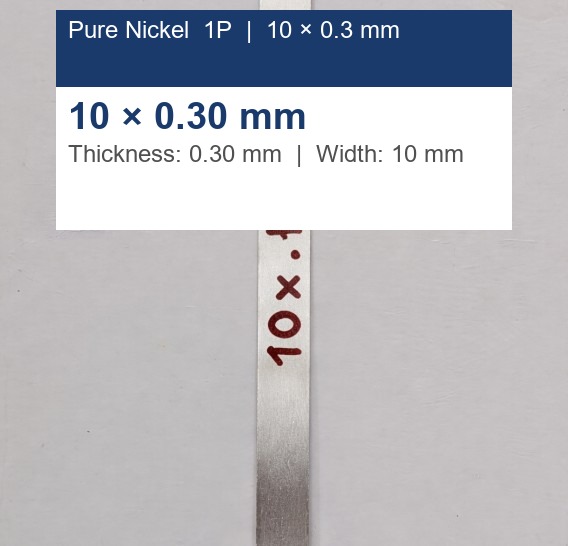
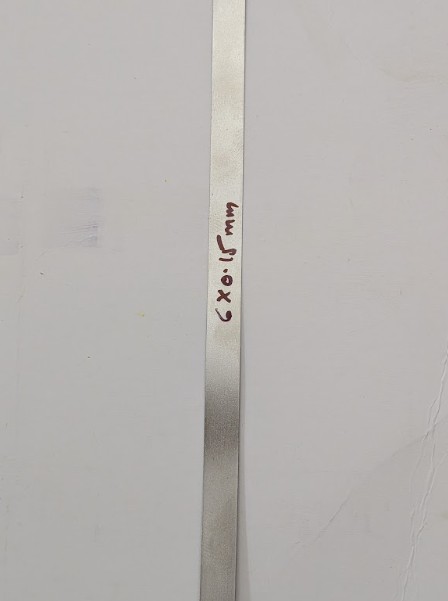
- Start at the lowest energy. Raise it a little at a time on test welds. Thinner strip such as 0.15 mm needs far less energy than 0.30 mm.
- Use a double pulse if your machine offers one. A small first pulse seats the strip and a second pulse forms the weld.
- Press firmly and level. Both electrode tips should touch the strip evenly.
- Make at least two weld spots per cell terminal. Space them apart and keep them away from the strip edge.
- Run the pull test. Peel the strip by hand. A good weld tears the strip and leaves a button of nickel behind. If the strip lifts clean, raise the energy slightly.
- Repeat the test whenever you change strip batch, thickness, electrodes or machine settings.
Five common defects and fixes
| Problem | Likely cause | Fix |
|---|---|---|
| Strip peels off easily | Too little energy, dirty surface or low pressure | Clean strip, raise energy a step, check electrode pressure |
| Hole burned in the strip | Too much energy for the thickness | Lower energy or pulse time |
| Dent or crater on the cell can | Excess energy, worn electrodes | Lower energy, dress or replace tips |
| Weld spatter | Poor contact, oxidised strip | Wipe strip, reseat the electrodes |
| Inconsistent welds through the day | Supply voltage swings, electrode wear | Use a stabiliser or UPS, dress tips regularly |
Tips for Indian workshops
- Voltage fluctuation: Mains swings change weld energy from one pack to the next. A good stabiliser or online UPS on the welder pays for itself.
- Humidity: In monsoon, keep strip sealed with silica gel and open coils only when needed.
- Heat and dust: Keep the bench clean. Dust on electrodes causes weak welds.
- Pure or plated? Pure nickel is softer and often welds at lower energy. Plated strip may need slightly more. Test each.
Safety first
Welding on charged cells can short them if the electrode or a tool bridges the terminals. Insulate the pack, weld one series group at a time, keep the BMS disconnected while welding, and keep a fire-safe area ready. Never weld on a damaged cell.
General guidance only. Validate strip size, welding settings and pack safety against your own design and the standards that apply to your product.
Strips to practise and produce with
Live stock and price from our store. Tap a product to add it to your quote.
Loading products…
Frequently asked questions
What energy setting should I use for 0.15 mm nickel strip?
It depends on your welder, so start at the lowest setting and raise it step by step on a scrap cell. Stop when the pull test tears the strip, not the weld.
Why do my welds peel off the cell?
The usual causes are too little energy, a dirty or oxidised surface, or low electrode pressure. Clean the strip and raise the energy a little.
How many weld spots do I need per cell terminal?
Most builders use at least two per terminal. High-current packs often use more or a wider strip. Check with your design and test pull strength.
Can I spot-weld 0.30 mm strip with a hobby welder?
Many hobby welders struggle with 0.30 mm. Test on scrap first, and consider thinner strip in parallel layers if your machine cannot weld it reliably.
Does pure nickel need different settings from plated strip?
Often a little lower energy, because pure nickel is softer. Test each strip type and thickness on your machine.
More from the Arambhika blog
Building a 48V Lithium Battery Pack for an Electric Scooter in India: Strip and Layout Guide
Read blog →
LFP Battery Packs for Solar and Home Inverters in India: Strip and Busbar Choices
Read blog →